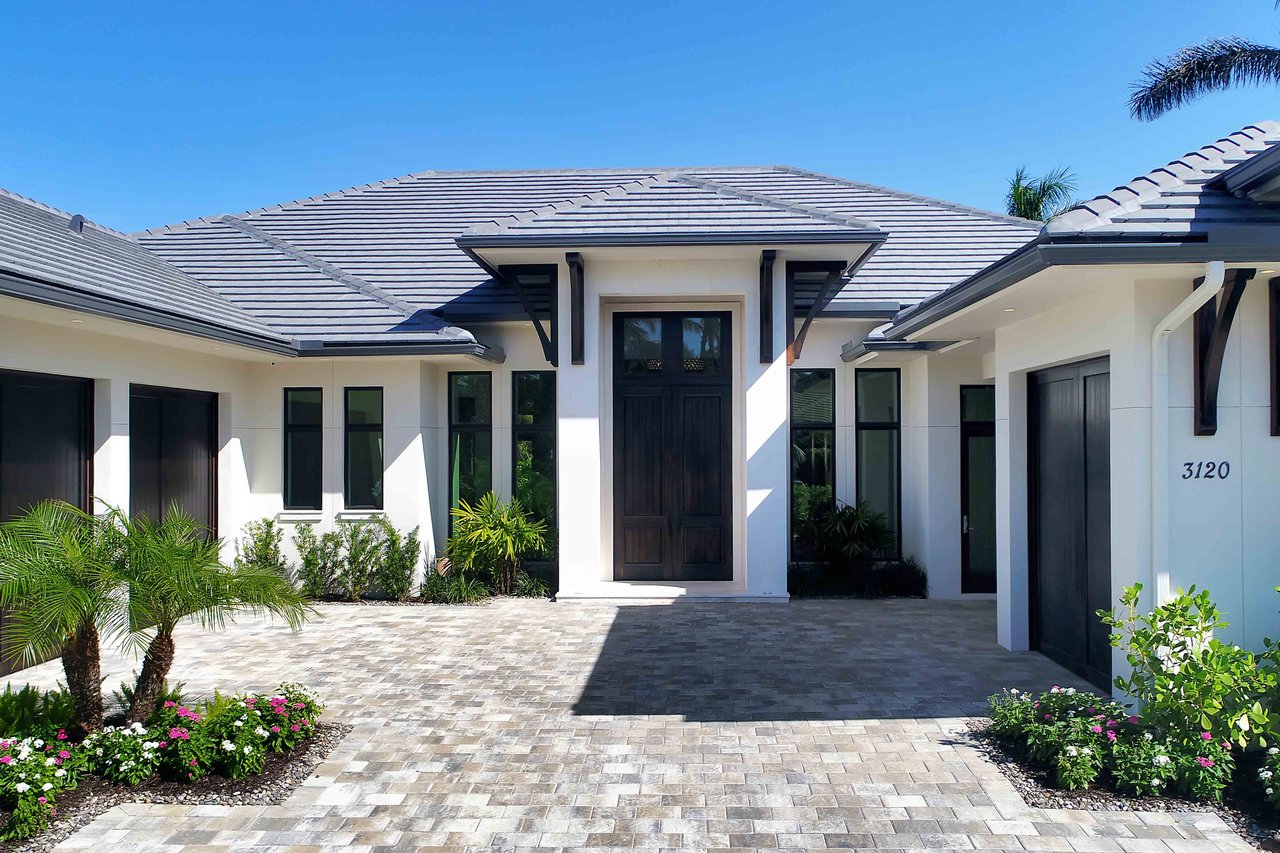
Looking for more land, more privacy, and more flexibility in how you live? Golden Gate Estates offers a very different experience from a typical Naples subdivision, but acreage living comes with its own rules, routines, and planning considerations. If you are thinking about buying in Golden Gate Estates, this guide will help you understand how the area is structured, what uses may be possible on a parcel, and what due diligence matters most before you buy. Let’s dive in.
What makes Golden Gate Estates different
Golden Gate Estates is a low-density, semi-rural residential area within Collier County’s rural planning framework. The county’s current focus area is east of Collier Boulevard and north of I-75, and its long-range planning documents emphasize future growth, community character, and land uses that support living, working, shopping, and recreation.
What sets the area apart is its land-use pattern. In the Estates designation, typical lots are 2.25 acres, some legal non-conforming lots may be as small as 1.14 acres, and residential density is capped at one dwelling unit per 2.25 gross acres. That structure helps preserve the spacious feel that draws many buyers to Golden Gate Estates in the first place.
Acreage living means more space
If you are coming from a more conventional neighborhood, one of the biggest differences is how much room a parcel can give you. Golden Gate Estates is built around single-family residential development on larger lots rather than compact multi-unit housing.
That extra space can create more privacy, more separation between homes, and more flexibility for outdoor living. It can also support uses that are often difficult or impossible in denser communities, provided those uses follow county rules.
Accessory structures may be allowed
Collier County allows several accessory uses on Estates lots. These can include detached garages, workshops, studios, screen enclosures, and guesthouses.
Guesthouses are limited to 750 square feet and one habitable floor. Accessory structures in Rural Agricultural and Estates zoning districts must also follow the principal-structure setbacks, so it is important to confirm placement rules for the specific parcel you are considering.
Horses, livestock, and poultry rules matter
For some buyers, acreage living is about more than just having a larger yard. In the Estates district, Collier County allows horses and livestock at up to two hoofed animals per acre, with no open feedlots.
Animal shelters must be set back at least 30 feet from lot lines and 100 feet from neighboring residences. Poultry is also allowed up to 25 birds, with similar setback requirements. If you plan to keep animals, you will want to confirm how these standards apply to your lot layout and intended use.
Vehicle and RV storage is different here
Golden Gate Estates can be especially appealing if you want space for recreational vehicles or equipment. According to Collier County’s code enforcement FAQ, Estates and Agricultural zoned areas are exempt from recreational vehicle parking and storage restrictions.
The county also permits canopy tents or shade structures in Residential and Estates zones for RV or vehicle storage, parking, and outdoor shade use. Still, there are limits. Recreational equipment cannot be used for living, sleeping, or housekeeping purposes, and the county has identified illegal storage of machinery, vehicles, and junk as an enforcement issue in the area.
Daily life is more car-based
Golden Gate Estates is not planned as a walkable, compact neighborhood. County planning documents direct basic goods, services, and amenities into neighborhood centers along major roads instead of allowing continuous strip-style commercial development.
The named centers are around Wilson Boulevard and Golden Gate Boulevard, Everglades Boulevard and Golden Gate Boulevard, and Immokalee Road and Everglades Boulevard. For you as a buyer, that usually means errands, dining, and appointments are part of a driving routine rather than a short walk or golf-cart trip.
Local services are still available
Even with its rural feel, the broader Golden Gate area includes practical public amenities. These include the Estates Branch Library, the Golden Gate Community Center, and county fire and EMS investment in the Estates.
That balance is part of the area’s appeal. You can enjoy a more open residential setting while still having access to public facilities and service infrastructure in the surrounding area.
Beach days take more planning
If part of your Naples lifestyle includes regular beach visits, it helps to think through logistics before you buy. In Golden Gate Estates, beach access is typically a drive-and-park outing rather than a spontaneous walk or short bike ride.
The City of Naples says Collier County property taxpayers and full-time residents are eligible for a free annual permit to park at City of Naples and Collier County beaches. The city also notes that there are 24 beach ends reserved for permit holders only, and beach parking rules prohibit trailers, trucks, recreational vehicles, and buses within one block of the beach.
Residents can also obtain beach parking stickers at the Golden Gate Community Center. If beach access is a major part of your routine, it is worth factoring parking rules and drive times into your home search.
Due diligence matters on every parcel
One of the most important things to understand about Golden Gate Estates is that not every lot works the same way. Buyers should verify parcel-specific details instead of assuming that all acreage properties offer the same buildability or flexibility.
Collier County’s master plan notes that new development orders remain subject to public-facility level-of-service and concurrency requirements. The county also emphasizes environmental protection and wildfire planning in the Estates area, which makes lot-by-lot review especially important.
Key items to verify before you buy
Before you move forward on a property, it is wise to review several practical factors early in the process:
- Buildability of the parcel
- Legal access to the site
- Drainage conditions
- Easements affecting use or placement
- Site constraints tied to environmental conditions
- Rules for accessory structures or intended outdoor uses
Acreage can create opportunity, but it can also create complexity. Careful review upfront can help you avoid costly surprises later.
Environmental and fire considerations are real
Because Golden Gate Estates includes rural land and environmentally sensitive areas, fire preparedness matters more here than it does in many suburban settings. Collier County’s master plan highlights wildfire prevention, Firewise education, and coordination with fire districts.
The same planning documents also note that the area south of I-75 is especially environmentally sensitive and biologically and hydrologically important. For buyers, that is another reminder that location within the broader Estates area can affect how a property functions and what planning steps may be needed.
Home-based activity should be checked early
Some buyers are drawn to acreage because they want room for a workshop, studio, or home-based business activity. If that is part of your plan, check county rules as early as possible.
Collier County states that home-occupation information may be shared online, no signs are permitted on or off-site, and a business tax receipt may be required depending on the activity. Even if a property feels private, use standards still matter.
Is Golden Gate Estates right for you?
Golden Gate Estates can be an excellent fit if you value land, separation, and flexibility more than a traditional neighborhood layout. It may appeal to you if you want room for accessory structures, permitted animal uses, or vehicle storage that would be harder to manage in a more compact part of Naples.
At the same time, acreage living asks you to be more intentional. You will likely drive more, research more, and verify more before you buy. For many buyers, that tradeoff is exactly what makes the lifestyle worthwhile.
If you are considering land or a family home in Golden Gate Estates, working with a local team that understands both the lifestyle and the parcel-level questions can make your search more focused and confident. To start a discreet conversation, Alfred Robbins Realty Group can help you evaluate opportunities with clarity and care.
FAQs
What is the typical lot size in Golden Gate Estates?
- In the Estates designation, typical lots are 2.25 acres, while some legal non-conforming lots may be as small as 1.14 acres.
What housing types are generally allowed in Golden Gate Estates?
- The area is structured around single-family residential development, with residential density capped at one dwelling unit per 2.25 gross acres and multifamily or duplex-style buildings generally prohibited outside a narrow mixed-use subdistrict.
What accessory structures can buyers consider in Golden Gate Estates?
- Collier County allows accessory uses such as detached garages, workshops, studios, screen enclosures, and guesthouses, with guesthouses limited to 750 square feet and one habitable floor.
What animal uses are allowed on Golden Gate Estates properties?
- In the Estates district, horses and livestock are allowed at up to two hoofed animals per acre, poultry is allowed up to 25 birds, and setback rules apply to animal shelters.
What should buyers verify before purchasing acreage in Golden Gate Estates?
- Buyers should review parcel-specific buildability, access, drainage, easements, site constraints, and any rules related to intended structures or outdoor uses before moving forward.